
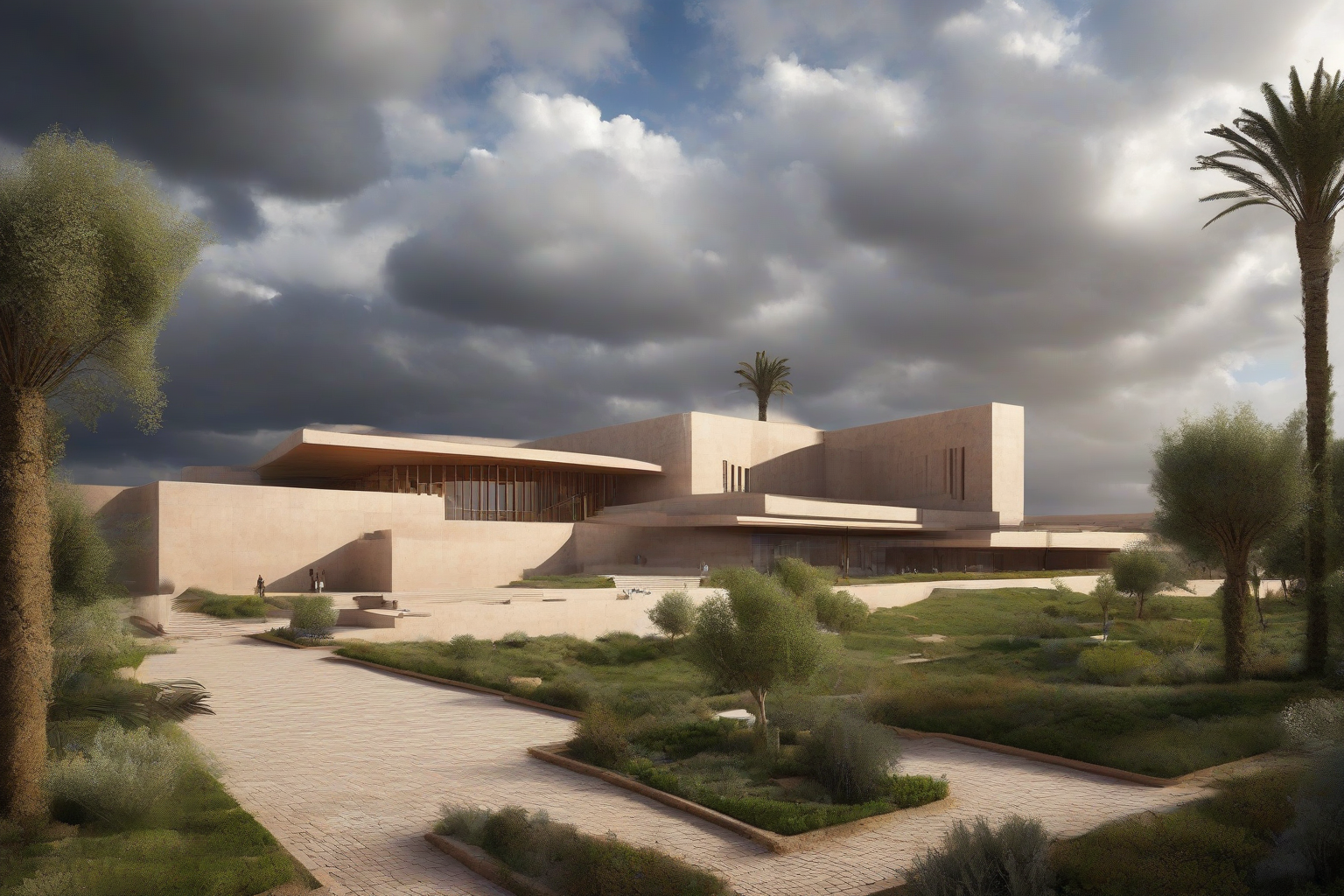
Morocco, a land of vibrant culture and ancient history, boasts an invaluable array of museums that safeguard its rich heritage. However, this precious heritage, much like the world over, faces increasing threats from climate change and natural disasters. From the desertification impacting interior regions to the rising sea levels threatening coastal cities like Tangier and Rabat, Moroccan museums are at the forefront of developing innovative strategies to protect their collections and infrastructure. This article delves into the proactive and adaptive measures being implemented across the nation's cultural institutions, showcasing their commitment to resilience and preparedness in the face of environmental challenges.
Understanding the Unique Vulnerabilities of Moroccan Heritage
Morocco's diverse geography, while contributing to its rich cultural tapestry, also presents a unique set of vulnerabilities to its museums and heritage sites. Arid and semi-arid regions are increasingly susceptible to extreme heatwaves, dust storms, and prolonged droughts, which can severely impact humidity levels and accelerate the degradation of organic materials in collections. Coastal museums, on the other hand, face the growing threat of sea-level rise, coastal erosion, and increased frequency of storm surges, potentially leading to inundation and structural damage. Furthermore, Morocco is an earthquake-prone country, adding another layer of complexity to disaster preparedness planning. These multifaceted environmental pressures necessitate a comprehensive understanding of specific risks to each museum's location, architecture, and collection composition, forming the foundational step in developing tailored resilience strategies that are both effective and sustainable for long-term preservation.
Proactive Risk Assessment and Vulnerability Mapping
Central to Moroccan museums' approach to climate resilience is the meticulous process of risk assessment and vulnerability mapping. This involves a systematic evaluation of potential threats, including specific climate hazards like extreme temperature fluctuations, flooding, and seismic activity, alongside human-induced risks. Museums are employing advanced techniques to analyze their buildings' structural integrity against these threats, identifying critical weak points in infrastructure, and assessing the susceptibility of various collections. Detailed inventories are cross-referenced with hazard maps, pinpointing artifacts most at risk and informing decisions on optimal storage, display, and even relocation strategies. This data-driven approach allows institutions to prioritize interventions, allocate resources effectively, and develop targeted preventative measures, moving beyond a reactive stance towards a more predictive and robust heritage protection framework.
Developing Comprehensive Emergency Response Protocols
Beyond prevention, Moroccan museums are meticulously crafting comprehensive emergency response protocols designed to mitigate damage and ensure rapid recovery in the event of a disaster. These plans are multi-layered, covering scenarios from localized fires and water pipe bursts to large-scale seismic events or floods. Key components include detailed evacuation routes for staff and visitors, pre-identified safe zones for valuable artifacts, and clear communication chains with emergency services and cultural heritage first responders. Staff training is paramount, involving drills and simulations to ensure swift and coordinated action. These protocols also encompass post-disaster assessment methodologies, salvage operations for damaged artifacts, and immediate stabilization techniques, all aimed at minimizing loss and preserving the integrity of collections during critical recovery phases. The emphasis is on preparedness that translates into effective, real-time action when an emergency strikes.
Investing in Sustainable Infrastructure and Adaptive Design
Recognizing the long-term nature of climate threats, Moroccan museums are increasingly investing in sustainable infrastructure and adaptive design principles. New museum constructions and significant renovations now integrate climate-resilient features, such as enhanced drainage systems to prevent flooding, reinforced foundations to withstand seismic activity, and passive cooling/heating solutions to reduce energy consumption and maintain stable internal environments. The selection of building materials prioritizes durability, local sourcing, and environmental impact reduction. Furthermore, adaptive design allows for flexibility, enabling buildings to be modified in response to evolving climate scenarios, such as the potential for adding flood barriers or upgrading insulation. This forward-thinking approach not only safeguards cultural assets but also aligns with broader national goals for sustainable development and promotes responsible environmental stewardship within the cultural sector.
Advanced Collection Preservation and Environmental Control
The core mission of any museum is collection preservation, and in the context of climate change, this demands sophisticated environmental control strategies. Moroccan museums are deploying state-of-the-art climate control systems capable of precisely regulating temperature and humidity within exhibition halls and storage facilities, thereby protecting sensitive artifacts from rapid deterioration caused by extreme weather fluctuations. Advanced monitoring equipment continuously tracks atmospheric conditions, alerting conservators to any deviations. Specialized, climate-controlled storage units offer enhanced protection for the most vulnerable objects, utilizing archival-grade materials and pest management systems. Furthermore, research into the resilience of traditional Moroccan materials against changing environmental conditions informs new conservation techniques, ensuring that both modern scientific approaches and time-honored practices contribute to safeguarding the nation's diverse tangible heritage.
Capacity Building and Professional Training Initiatives
A crucial element of effective disaster preparedness and climate resilience is a well-trained and informed workforce. Moroccan museums are heavily investing in capacity building and professional training initiatives for their staff, ranging from conservators and curators to security personnel and administrative teams. These programs cover a wide spectrum of topics, including risk assessment methodologies, emergency response protocols, artifact salvage and stabilization techniques, and the use of specialized preservation equipment. Training often includes practical drills and simulations, fostering hands-on experience and improving coordination during crises. Furthermore, workshops on sustainable museum management and climate change awareness empower staff to integrate resilience thinking into their daily operations. By nurturing a culture of preparedness, museums ensure that their human resources are as resilient as their infrastructure, capable of responding effectively to emerging challenges.
National and International Collaboration for Resilience
Recognizing that cultural heritage protection is a collective endeavor, Moroccan museums are actively engaging in national and international collaboration to enhance their climate resilience and disaster preparedness. Domestically, partnerships with governmental agencies, civil defense, universities, and other cultural institutions facilitate shared resources, expertise, and coordinated responses. Internationally, collaborations with UNESCO, ICCROM, ICOM, and other global heritage organizations provide access to best practices, cutting-edge research, and critical funding for resilience projects. These partnerships enable Moroccan museums to participate in global networks, share lessons learned from their experiences, and contribute to the broader discourse on heritage protection in a changing climate. Such cooperative frameworks are vital for building a robust and interconnected safety net for cultural assets against diverse threats.
Engaging Communities in Heritage Protection and Preparedness
Beyond institutional efforts, Moroccan museums understand the crucial role of community engagement in fostering a broader culture of heritage protection and disaster preparedness. Outreach programs educate local populations about the value of their shared cultural heritage and the threats it faces from climate change. Workshops and public awareness campaigns inform communities about local risks and how they can contribute to protecting heritage sites, including traditional buildings and intangible cultural practices, during emergencies. Some museums involve local residents in the development of emergency plans, drawing on their indigenous knowledge of local environments and historical coping mechanisms. By empowering communities and fostering a sense of shared responsibility, museums not only enhance their own resilience but also strengthen the overall capacity of society to safeguard its cultural treasures for future generations.
The journey towards full climate resilience and disaster preparedness for Moroccan museums is an ongoing, dynamic process. It requires continuous adaptation, innovation, and a steadfast commitment to safeguarding the nation's invaluable cultural heritage. Through strategic risk assessment, robust emergency planning, sustainable infrastructure, advanced conservation, dedicated training, and powerful collaborations, Moroccan cultural institutions are not only protecting their past but also building a resilient future. Their efforts stand as a testament to the profound understanding that preserving heritage is not merely about objects, but about ensuring the continuity of identity, knowledge, and inspiration for generations to come, even in the face of profound environmental change.